Insurance Coverage
Dropped Before the Next Storm.
A notice deserves attention before the policy ends. Confirm the date and reason, gather your home records and discuss replacement coverage with a licensed insurance agent.
Read Florida's nonrenewal guidance (opens in a new tab)The benefit
Give yourself time to respond to a nonrenewal.
- Read the stated reason
- Notice
- Plan the next coverage step
- End date
- Terms as well as price
- Compare
Provided by
Your insurer explains its notice, and a licensed agent can discuss coverage options. Florida's Department of Financial Services publishes consumer guidance; Central Florida Public Media reported the historical market data.
How to get it
Start with the notice, then your options
- Read the insurer's notice and confirm the effective date and the specific reason for nonrenewal.
- Gather your policy, relevant inspection reports and maintenance records for a conversation with your licensed agent.
- Compare available coverage terms, exclusions and deductibles before choosing a replacement policy.
This July 2025 story discusses historical data, not your home's current insurability. A news report does not mean your policy will be nonrenewed or that another insurer must offer coverage.
More context & the original report
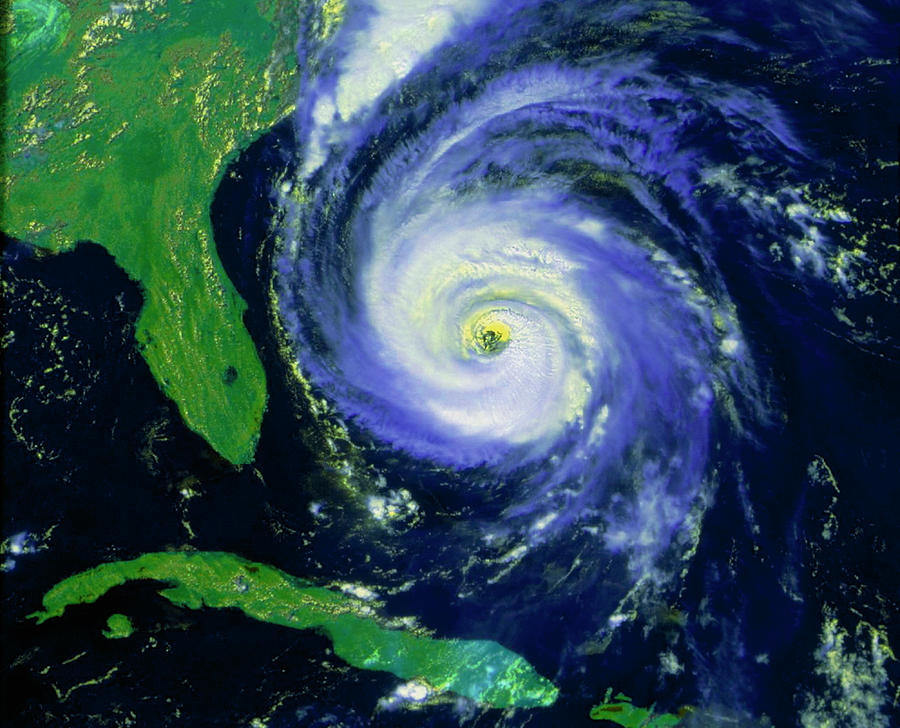
Central Florida Public Media reports that Florida leads the nation in home-insurance non-renewals, with non-renewal rates spiking 280% between 2018 and 2023. Insurify's analysis found Florida's non-renewal rate reached 2.99% in 2023, compared with 1.8% in Louisiana. The surge is attributed to insurers reducing exposure due to increasingly severe storms and rising climate risk. Many homeowners struggle to find alternative coverage or must accept higher premiums, while reforms have only begun to stabilize the market.