
Property Taxes · Disaster Recovery
When Your Home Is Uninhabitable, Check Your Property Taxes
If a catastrophic event made your Florida residence uninhabitable for at least 30 days, ask your county property appraiser about a partial property-tax refund. For qualifying 2026 events, file Form DR-465 by March 1, 2027. The county determines eligibility and amount.
Download Form DR-465 (opens in a new tab)The benefit
A Refund Review For The Time You Lost.
- Qualifying loss of use
- 30+ Days
- 2026-event filing deadline
- March 1, 2027
- County calculation
- Amount Varies
Latest Updates
Verified
Statewide Refund Rules Reviewed
Qualifying 2026 events use Form DR-465, due March 1, 2027. At least 30 uninhabitable days and timely paid taxes are required; an emergency-order county list does not establish eligibility.
Read the source for Statewide Refund Rules Reviewed (opens in a new tab)Verified
Flood Damage May Qualify Under Existing Law
Fall Flooding damage may qualify under the existing statewide catastrophic-event refund law if a residential improvement is uninhabitable for at least 30 days and all statutory requirements are met. EO 26-228 covers 14 counties, but its county list does not limit or automatically establish this tax refund. Ask the county property appraiser about DR-465; the 2026-event filing deadline remains March 1, 2027.
Read the source for Flood Damage May Qualify Under Existing Law (opens in a new tab)
Last checked November 6, 2026
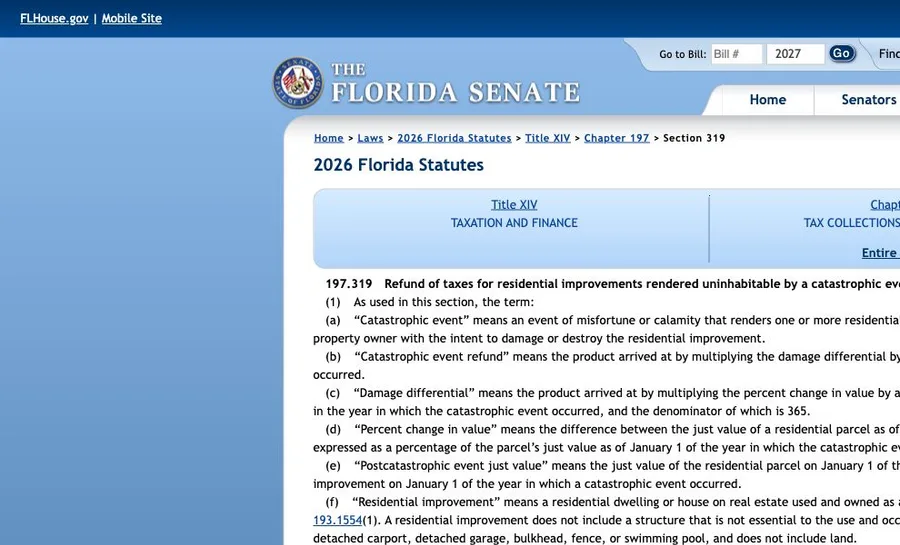
Page preview · Oct 30, 2026
(opens in a new tab)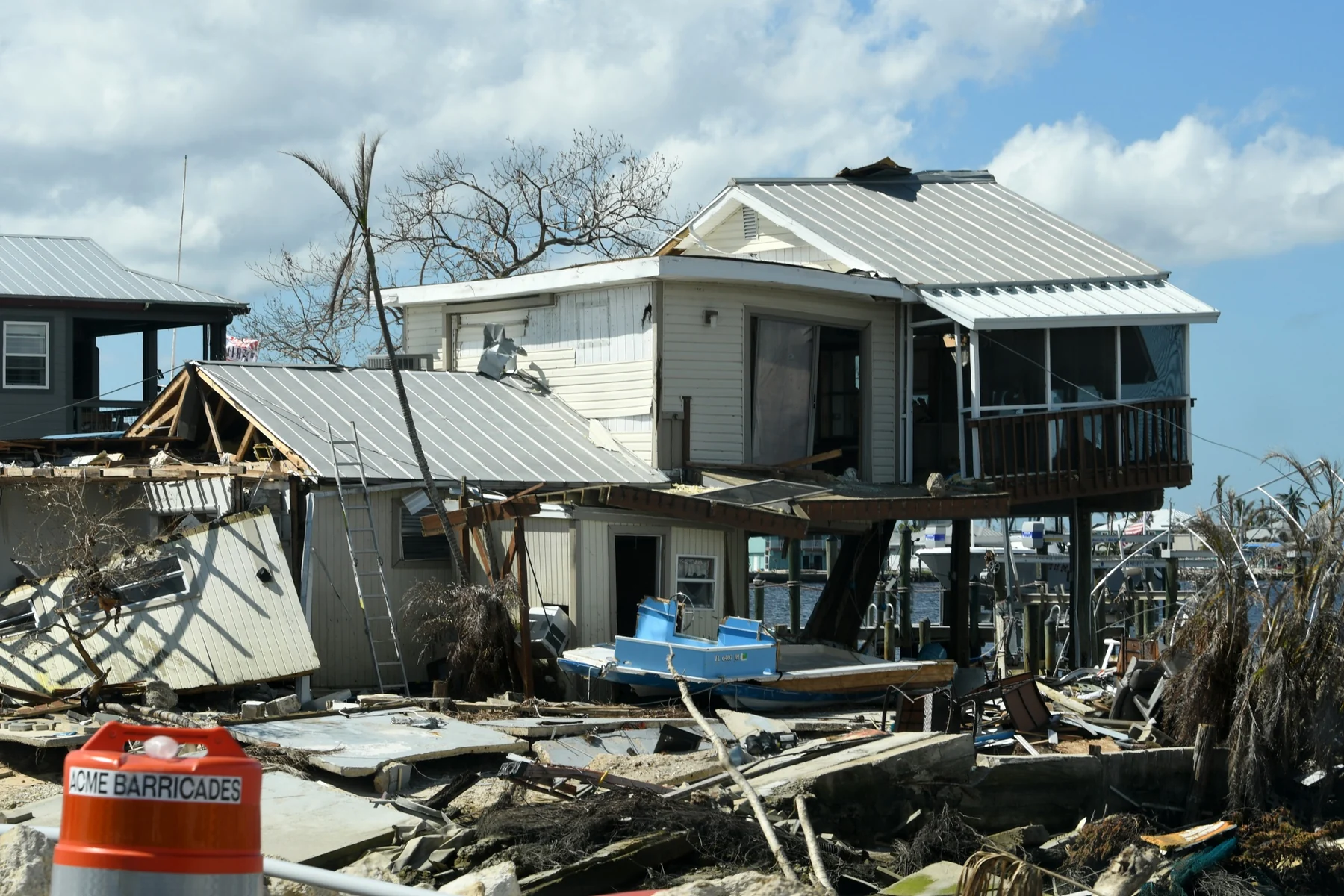
Provided by

Revenue supplies the form and statewide guidance. Your county property appraiser reviews the application and evidence; the tax collector issues an approved refund. Homestead status alone does not decide eligibility.
How to get it
Build The Evidence, Then File With Your County
- Contact the property appraiser for the county containing the damaged home. Ask for its DR-465 submission method and the evidence it needs to determine qualifying loss of use.
- Record the event date and uninhabitable days during that calendar year. Assemble photos, utility records, insurance information, contractor statements, permits and occupancy or inspection records that support those dates.
- Complete and sign the sworn application and submit it with the supporting documents. For a 2026 event, the ordinary filing date is March 1, 2027. Keep a copy and proof of submission.
- Keep taxes current. Revenue's guide says the relevant taxes must be timely paid by March 31 of the following year; filing for a refund does not suspend payment. Update the county offices if you are displaced and your mailing address changes.
- Review the county's determination. If you disagree, ask about an informal conference and the value adjustment board process; the form describes a 30-day petition period after the appraiser's notice.
This is a statewide statutory refund, not new cash created by the fall flooding order. County or FEMA assistance does not substitute for the tax application. Eligibility, qualifying days and the calculation require county review; no fixed award or statewide cutoff hour is promised.
More context & the original report
A damaged home can leave you paying for housing you cannot use while the property-tax bill still arrives. Florida law provides a separate review for qualifying residential improvements that became uninhabitable for at least 30 days because of a catastrophic event. Both qualifying homestead and nonhomestead residential property can be covered. Minor damage, an evacuation alone or damage only to a fence, pool or detached garage does not establish the required loss of residential use. The refund covers the eligible residential improvement, not land or nonessential structures. A statewide or federal disaster declaration is not the test: the property's condition and the statutory requirements control. That matters after the fall flooding, because the emergency order's county list neither limits this statewide law nor automatically qualifies a home. The refund is calculated using the appraiser's value determination, qualifying uninhabitable days in the event year and taxes paid on time. It is not a fixed repair grant or reimbursement of every recovery expense. You must request it; reporting damage, filing an insurance claim or applying for FEMA does not submit Form DR-465. Keep the dates and evidence of lost use together, and ask the property appraiser for the county where the home is located how to file. If the event occurred in 2026, the ordinary application deadline is March 1, 2027. Applying does not pause the tax bill.